
- Executive Vice President of Corporate Affairs Daniel Bartlett sold $2.4m of Walmart (NasdaqGS: WMT) shares on November 19, 2026.
- Latriece Watkins moved in the same direction with a $1.3m sale in May 2026 that reduced their holding by 10% of their stake.
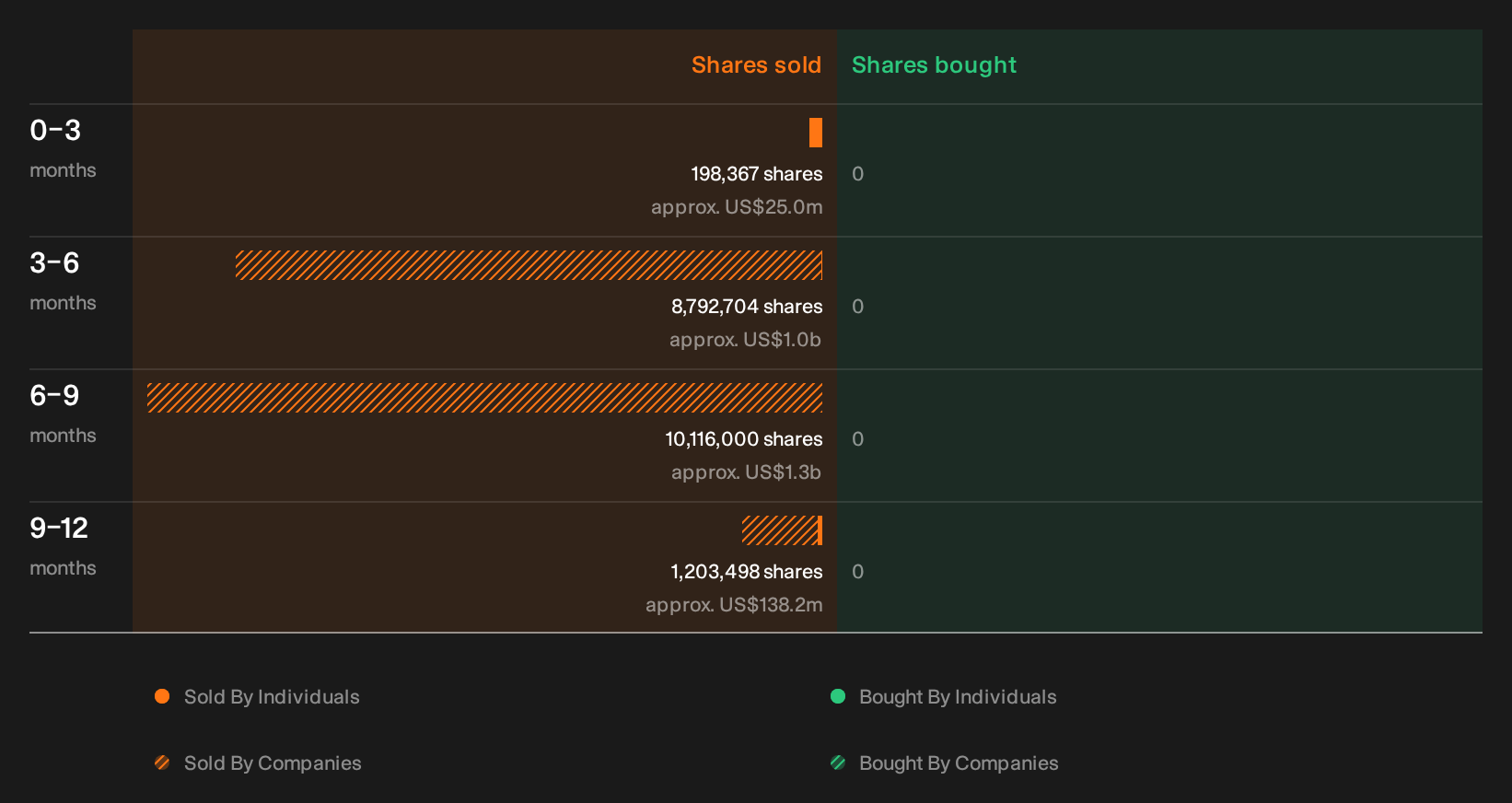
- Over the past twelve months, three insiders sold on the open market with trades totaling $9.1m.
Walmart has recently seen several senior figures choose to sell shares in the business. For investors interested in the opposite signal, where executives are putting more of their own capital into their companies, it can be useful to review 68 undervalued small caps that insiders are buying.
Walmart sellers missed gains as shares moved higher
Christopher Nicholas set the tone for Walmart insider activity this year, with a sale in February that trimmed their holding and has since been followed by a share price that now trades 8% above their average sale price, a rise they missed. That move cut their holding by 6%, which leaves them with a smaller stake but not an exit.
That February 20, 2026 trade came a day after the company released fourth quarter and full year results. Over the following three months, the company received a penalty from the Washington Department of Ecology and issued another earnings release, with the shares trading at roughly the same level as on the day Nicholas sold. There were no further open market trades from Nicholas after that. Latriece Watkins has been the more active seller over the past year, with a series of trades that in total cut their holding by 18%. The shares now trade 10% above their average sale price, a rise they also left on the table.
Taken together, this cluster of sales from senior Walmart figures appears more like steady trimming into a rising share price than a clear signal of confidence or caution.
Membership flywheel has to carry Walmart’s next leg
For Walmart to make these insider sales look early, the membership and “agentic commerce” push needs to turn today’s bundle momentum into a durable spending habit. On November 19, 2026, the October quarter update and guidance raise pointed in that direction, and the share price sitting above insiders’ sale levels has so far moved in the same direction.
The Narrative argues that the bundled Walmart+/Sam’s Club Plus offer has to keep adding members and deepening their spend, because that is where multiple parts of the retail engine connect. Agentic commerce tools then need to lift how effectively those members are served across stores and online. The broader ecosystem, from logistics to assortment, has to keep reinforcing that loop so membership remains the story on future calls.
Did insiders sell too soon? Find out Walmart's fair value and what it rests on.
Insider trades under a concentrated register
These open market sales sit against a register where Walmart insiders together own 1.0% of the company, a stake worth $10.1b that is typical for a company this size and means their trading comes from holders with meaningful personal exposure but not control. Walton Enterprises, the largest holder, owns 37.8% of the company, so beside a stake this size the insider trades barely shift who owns the shares.
Insiders’ sales here appear to be portfolio moves within a company that remains anchored by a very concentrated top holder.
Walmart now has to show where the business is heading when it reports Q4 2027 results on February 18, 2027. Only then will it be clear whether those who sold stepped out at a good moment or left future gains to others.
Add Walmart to your watchlist to get an alert when its results land, or compare the average $123 insiders sold at with our fair value estimate for Walmart.
For the purposes of this article, insiders are those individuals who report their transactions to the relevant regulatory body. We count open-market transactions and private dispositions of directly held shares only, not derivative transactions such as option exercises or interests held indirectly, for example through a family trust or company.
Have feedback on this article? Concerned about the content? Get in touch with us directly. Alternatively, email editorial-team@simplywallst.com